Evaluating Evidence – Cautionary Tales!
Number 46, Spring 2026
Master Stephen Wooler

The factors contributing to just outcomes for criminal cases are many and varied, especially in an adversarial system, but the cornerstone must surely be open minds and rigorous evaluation of the evidence by the prosecution, defence and judiciary. The responsibility of the defence can be more straightforward because their duty, subject to the general obligation to the court, is to act in the best interests of their client. By contrast, prosecutors have wider responsibilities to the public and the overall fairness and integrity of justice. Hence, the Code for Crown Prosecutors imposes a duty to review evidence and pursue only cases where the evidence affords a realistic prospect of conviction and proceedings are in the public interest.
Public confidence will not be enhanced by prosecutors who take the testing of their case to the point of trying to pick holes in it. Yet too robust an approach is likely to lead to equally unsatisfactory outcomes. During my career as a prosecutor, I was involved in two very different cases where unexpected developments showed the facts very differently from how they first appeared. In one case, investigators made assumptions that tainted the whole process. The Crown Court got it wrong, the Court of Appeal got it right (but for the wrong reasons), and a judge-led inquiry also got it very wrong. In the second case, it was the integrity and thoroughness of the senior Investigating Officer that resulted in the Court of Appeal being able to rectify a possible miscarriage of justice at an early stage.
Murder of Maxwell Confait
The first case was the murder of Maxwell Confait, a 26-year-old Seychelles-born cross-dresser whose strangled body was found after a fire in the locked room where he lodged in the small hours of 22 April 1972. The investigation proceeded on the assumption that the killer(s) had set the fire to destroy evidence. Establishing the time of death was difficult because the police surgeon and the forensic pathologist gave different time estimates based on the level of rigor mortis. Uncertainty as to the possible effect of the heat of the fire on the body complicated the position further. The subsequent trial proceeded on the basis that death occurred at about 1.00am – shortly before the fire.
That trial involved three youths, Colin Lattimore, Ronald Leighton and Ahmet Salih who had come to police notice after the fire as after allegedly being involved in arson activity (of a lesser nature). They were interviewed in unsatisfactory circumstances even by the standards of the pre-PACE days. Lattimore suffered from learning difficulties, and the others were both minors, yet no adult was present. Admissions formed the basis of the prosecution case, and all were convicted – Lattimore of manslaughter (diminished responsibility) and the two minors of murder.
An initial appeal in 1973 failed, but the case was pursued in 1974 by the local MP, Mr Christopher Price. An ITV programme in 1974 adduced evidence from two other distinguished pathologists who placed the time of death earlier (between 6.30pm and 10.30pm) but Lattimore had a strong alibi for that time. It caused the Home Secretary to refer the case back to the Court of Appeal, which accepted the fresh evidence as exonerating Lattimore and concluded that it also undermined the credibility of the confession evidence. In October 1975, all convictions were quashed. The Home Secretary then established an inquiry led by a retired judge Sir Henry Fisher, into the circumstances. Its main focus was the investigation process and in particular, the treatment of suspects by the police.
His report was highly critical of the uncertainty surrounding suspects’ rights and apparent lack of knowledge even within the legal professions of the operation of the Judges’ Rules. He criticised the police for the narrowness of their inquiries. which had ended abruptly once the suspects had been charged. Concluding the issues were too wide for his inquiry, he recommended a Royal Commission – which was subsequently established under Sir Cyril Philips and led to wide-ranging reform for both investigations and prosecutions. But the most controversial part of his report was the finding that, despite the quashing of their convictions, Leighton and Salih were, on the balance of probabilities, responsible for the killing. He rationalised this by saying that the Court of Appeal decision had been correct because the fresh evidence meant a jury could not be satisfied beyond a reasonable doubt.
Having sat throughout the Inquiry, I could see Fisher’s line of reasoning. But the youths were clearly as out of their depth before him as they must have been at the police station and at the Old Bailey. His life experience simply did not equip him to evaluate such factors or the psychological evidence intended to help him. His propensity to accept police evidence at face value was also manifest. The youths did not deny making the admissions, nor did they offer cogent explanations. The alleged ‘police brutality’ was not put higher than a thwack with a rolled-up newspaper. Fisher needed more than that to convince him.
Despite their controversial nature, the findings stood without the degree of challenge that might be expected today. But there was to be a final revelation.
At the end of 1979 the Governor of a prison in Kent passed on information that an inmate had ‘confessed’ to fellow inmates that he had been one of two men involved in the murder of Confait. It was a convoluted story, which I do not seek to go into here. It is enough to say that a thorough investigation followed which established that the confessing inmate and the associate he feared would implicate him were both involved. Although the suspects both blamed each other for the actual killing, it was common ground that the killing had occurred some two days before the fire; that they had met Confait in a pub and had left after buying a bottle of whisky, which they took back to his lodging. Their motive seems to have been ‘queer rolling’ (to use the distasteful language of the day). They had also stolen his possessions which had gone unnoticed.
Despite the absence of evidence as to the identity of the killer, the extent to which this new account chimed with the known evidence was startling. Examination of the unused material in the trial (all properly disclosed) confirmed Confait’s visit to the pub and his leaving with
two men after buying whisky and cigarettes. When the evidence of the crime scene was revisited, it was far more supportive of the new version of events than any other scenario. A whisky bottle top and stubs of the correct brand of cigarettes were present, and records were missing. Further pathological evidence also confirmed the time of death as two days before. The apparent discrepancy between police surgeon and original pathologist became explicable: rigor mortis was present when the former arrived but wearing off by the time the latter arrived a couple of hours later.
In short, the case had proceeded through investigation, prosecution, appeal, further appeal and inquiry based on a wholly wrong assumption that the death and fire were contemporaneous. Despite the fresh evidence, Fisher declined to reopen his inquiry. This left the absurd position that Leighton and Salih were innocent men in the eyes of the law but still had the stigma of Fisher’s findings. Eventually, the Attorney General made a statement to Parliament explaining the development and stating that, despite the findings of the Inquiry, the pair could not have been responsible for the murder.
Although Fisher was rightly critical of the inadequacies of the investigation, their full extent only became clear when the fresh evidence emerged. It left unaddressed how three youths who could not possibly have been responsible for the killing, each separately admitted responsibility. The learning and theory surrounding false confessions is extensive and the psychology remains complex. Eliminating the possibility of wrongful confessions is practically impossible, but the introduction of the PACE Codes and recording of interviews makes evaluation easier.
Murder of Gary Shields
Confessions are also very much in play in my second example, which arose from the murder and sexual assault of 6-year-old Gary Shields at Tynemouth in August 1974. His body was found amongst reeds at the foot of a steep bank leading down to the River Tyne. A 25-year-old man with mental health problems, Paul Hails, was initially convicted of manslaughter (diminished responsibility). He had been seen walking in the relevant area at the material time. However, the case against him hinged on the veracity of confessions he made – and then retracted – and then confirmed. The police had recognised his vulnerability and ensured that he had legal representation. Apart from his admissions, the only evidence was his presence near the scene and some weak forensic evidence of a fibre found on the body similar to a T-shirt owned by Hails. But the garment was mass-produced and the evidence was hardly conclusive.
Hails was not the first person to confess to the killing. A youth dubbed by the police as ‘Joe Ninety’ because of his limited intellect was spoken to by a junior detective early in the investigation and claimed responsibility. The senior Investigating Officer then interviewed him and found him unable to answer basic questions about the circumstances and concluded that he could not have been responsible. Further investigation indeed eliminated him. At trial this information was all disclosed, but the jury was sufficiently convinced to convict Hails.
Most investigators would have drawn a line under the case but the Investigating Officer remained troubled. There had been another suspect – an older man – who lived with his mother at the top of the bank and had a conviction for incest. A counterpane found close to the body bore a laundry mark that linked it to his house. However, he denied any connection with the crime, and detailed investigations failed to find any evidence. The officer later explained that he had to follow the evidence which pointed to Hails. But his doubts about the other suspect meant he left instructions with the local division that he was to be contacted immediately if the individual came to police notice again.
Several months later, he received a call to tell him that the individual had been arrested for molesting young children in the local park. When the officer went to speak to him, the suspect immediately said that he had expected him ‘because you always thought I killed Gary Shields’. The suspect then made detailed admissions before retracting them. A major concern was that the details contained in the confession were inconsistent with the known facts – the timings did not correspond, and the original investigation had, in effect, alibied him for what appeared to be the time of the killing. The suspect asserted that he had taken the victim’s clothes home and burnt them in the boiler. The boiler had been searched, and the police considered that as no traces of metal and plastic from zips and fastenings had been found, then it was impossible that the clothes been disposed of in that way.
So what was to be done with these developments? First and foremost, all the new evidence needed to be disclosed, and the safety of the conviction reviewed. That was relatively easy because Hails had a pending appeal. The documents were served with a suitable covering note explaining their provenance and the fact that, although the matter was one for the court, the DPP did not have confidence in the conviction. Unsurprisingly, the case was brought on quickly, and the Court of Appeal had no difficulty in quashing the conviction.
As for the new suspect, the only evidence was that of his admissions, which were retracted and inconsistent with known facts. A further prosecution for murder would have been unrealistic.
There can be few cases of murder where three separate individuals have confessed without there being any conviction and with such an inconclusive outcome. Three things stand out. First, the difficulty of assessing the veracity of confessions, especially when dealing with vulnerable individuals. The problem endures despite the more stringent safeguards introduced over recent years.
Secondly, the importance of avoiding assumptions and taking nothing at face value – professional scepticism. In essence, maintaining a questioning mind that avoids both positive and adverse assumptions about the integrity of individuals and evidence. Finally, the readiness with which the decisions not to launch further prosecutions were accepted by those concerned. I am sure they were both correct, but similar events in today’s less deferential world would quite probably prompt a strong campaign for ‘justice’ and further investigations or review. Perhaps society was in the past too accepting of such outcomes, but in reality, it probably amounted to a wider acceptance and understanding that justice is not a perfect science.
Explore more from this edition
Inn & About
From lost members and new books to historic trials and landmark celebrations, discover the living history and culture of Gray’s Inn today.
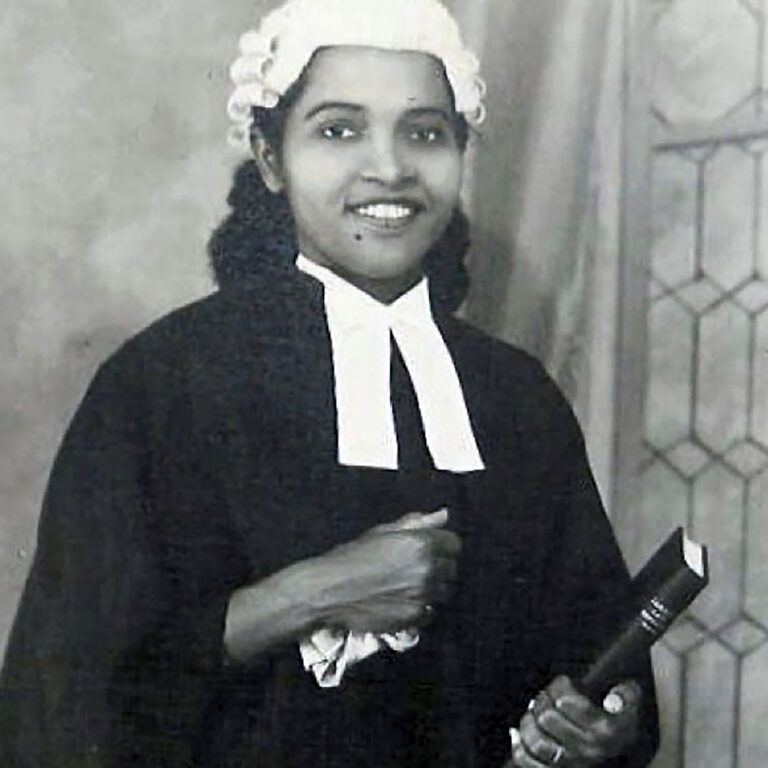
Ena Collymore-Woodstock – A Remarkable Life
Ena Collymore‑Woodstock, Jamaican barrister, magistrate, war veteran and a tireless pioneer for women, died aged 108, leaving an extraordinary legacy of justice, courage and service spanning a century.
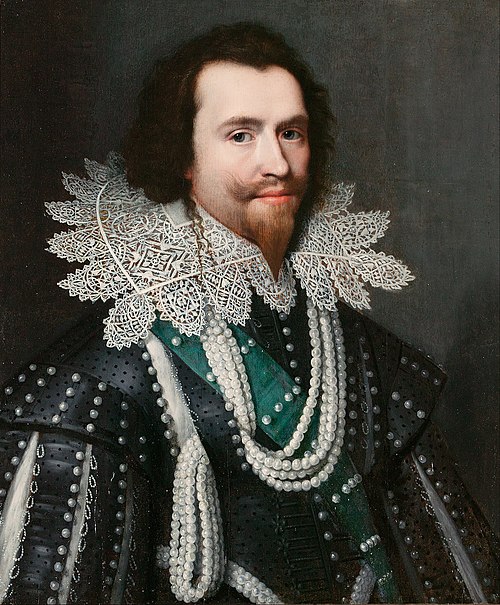
History Society Lecture
A dazzling royal favourite rises and falls: Lucy Hughes‑Hallett FRSL reveals how George Villiers, first Duke of Buckingham, became both powerbroker and pariah – loved by kings, blamed by a nation, and immortalised as history’s scapegoat.
Book Reviews
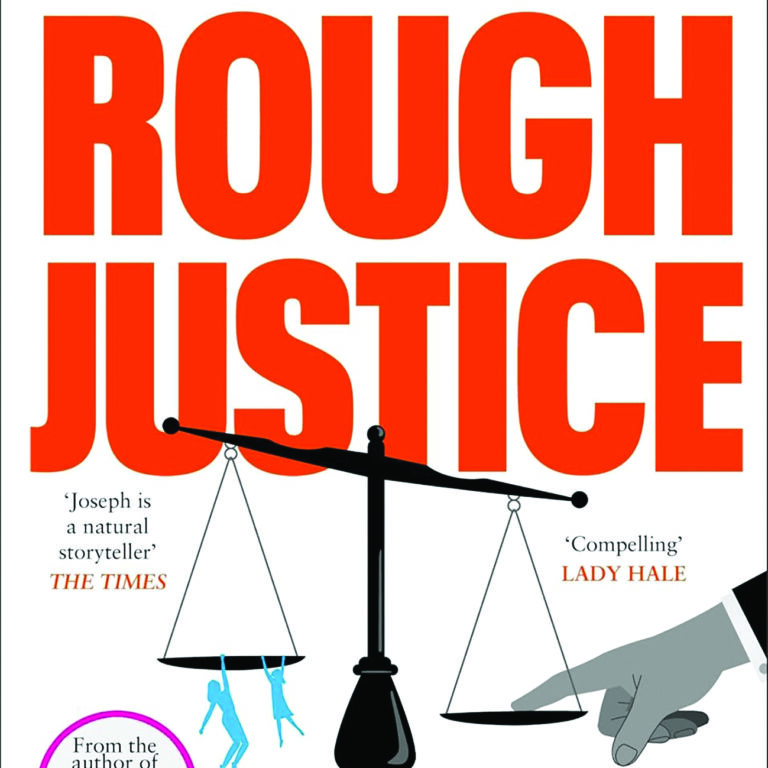
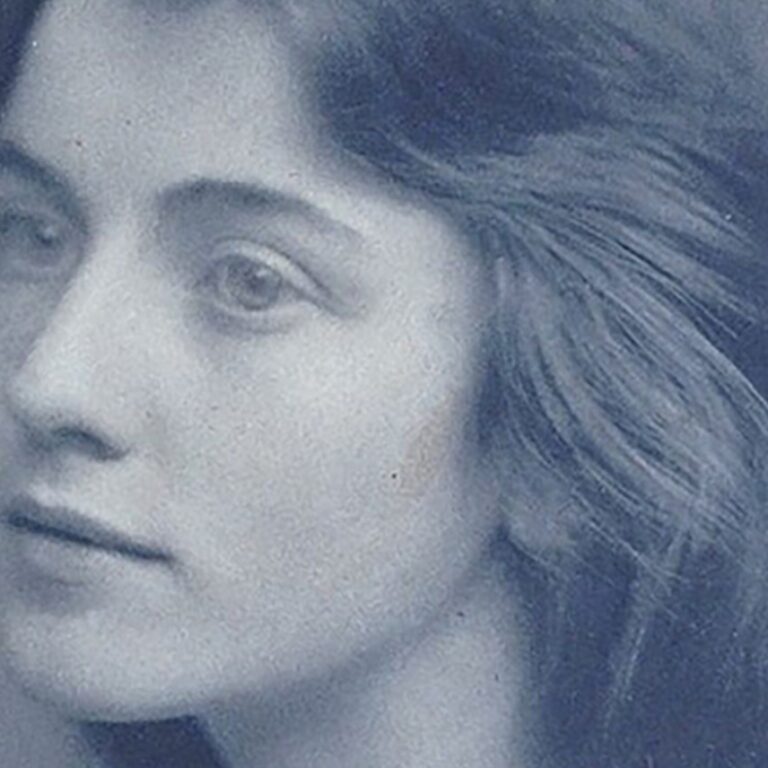
Two compelling books – one exploring justice by an experienced judge in the Old Bailey with a focus on women and girls, the other, and exploration of law and science through a biography of pioneering British physicist and astronomer Sir Bernard Lovell.