
My Call to the Bar
Number 45, Autumn 2025
Master Richard Hawkins
My Start at the Bar
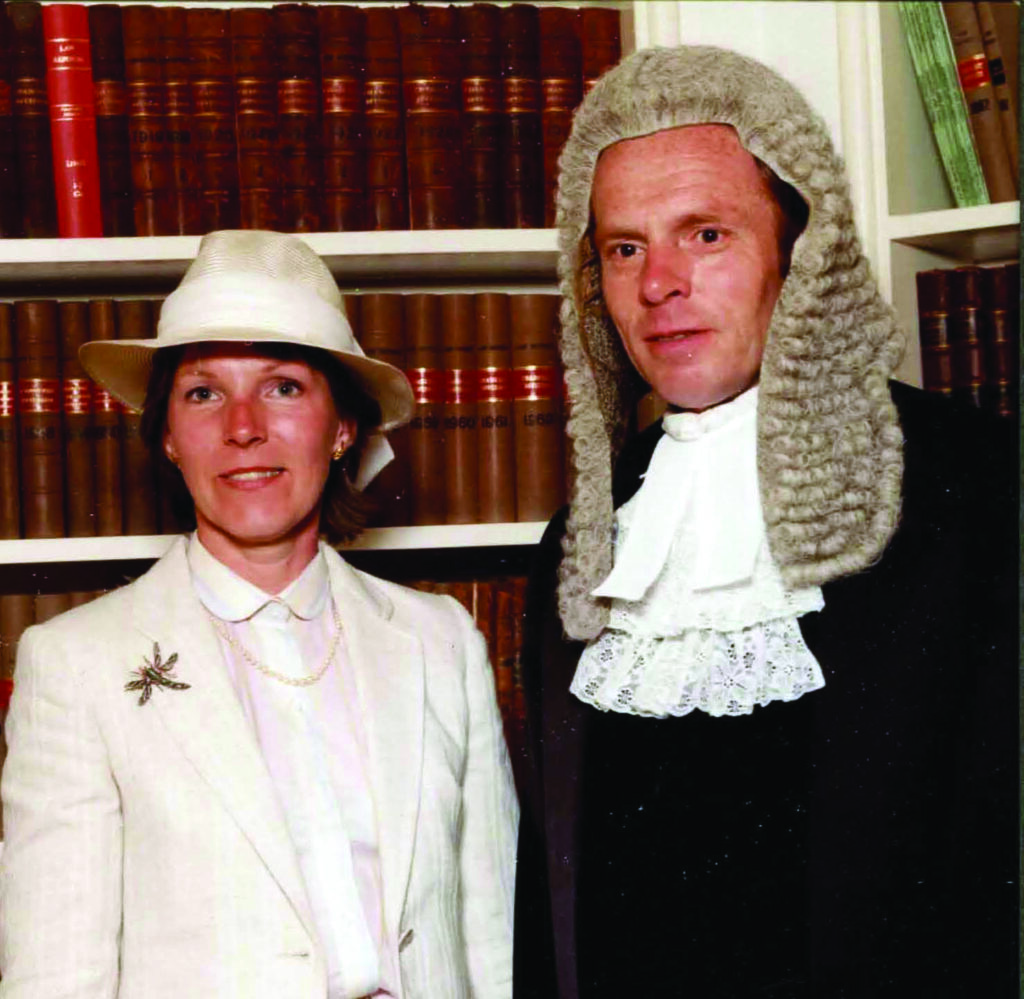
Even before CallI, I had begun pupillage with John Mathew in May 1963. John’s father, Sir Theobald Mathew MC, was still then the Director of Public Prosecutions (appointed in 1944 and the longest ever serving DPP). By this time John himself was already one of the Treasury Counsel at the Old Bailey. Every day I had the privilege of being able to join these senior prosecuting advocates in Treasury Counsels Room where all the Treasury team congregated and robed at the CCC. That gave me extraordinary insight into their professional lives. In this way, I got to know Michael Corkery, also Treasury Counsel. Both John and Michael were to enjoy very lengthy and extremely distinguished careers as jury advocates. For decades they were universally recognised in the profession as legendary barristers and leaders at the Criminal Bar. They lived long lives too, both dying aged 92.
Call Night, 12 July 1963
As was the custom in 1963 until much later in the century when the tradition changed, I was called by the Treasurer, Lord Devlin, attired in my white tie and tails. This occurred before the equally traditional Call Night Dinner in Hall. After the Benchers retired to the Large Pension Room at the end of the meal, they directed the Hall Butler to supply extra tree wine to the tables in Hall (this was normal at the time) to help us as the newly called to celebrate even more enthusiastically. As the evening progressed Mr Senior made each of us stand on our benches and make a speech (in those days you sat on benches in Hall not on chairs).
The Christine Keeler Scandal
1963 was the year of the Christine Keeler scandal and the Stephen Ward court case. At the Ward trial, John Mathew had ‘a watching brief’ on behalf of Lord Astor. As John’s pupill was in the fortunate position of observing the whole case from close quarters including the fabled exchange when James Burge (later Queen’s Counsel) defending Stephen Ward for living off immoral earnings challenged Mandy Rice Davies, who was in the witness box at the time, on some evidence she had given saying it was denied by Lord Astor. Quick as a flash, Rice Davies famously retorted: ‘He would, wouldn’t he!’.
The most memorable part of the trial for me, however. occurred when the Judge sat late one evening and still had to hear John in another case in his list being an adjourned plea of guilty. As the trial continued past the usual time the Court rose, John began to fret because he had an important conference back in Chambers. l implored him to permit me to take his place in the plea hearing thus allowing him to return to chambers. In those days this was permissible as a pupil was qualified to address the Court as soon as he /she was called. John eventually agreed. To my surprise the spectators in the gallery waited to hear my efforts. Many years later, when I recounted the story to Martin Stephens, subsequently a Judge himself at the CCC he said: ‘Richard, where did it all go wrong?’!
My First Criminal Trial: A Fortunate Acquittal
When John was away on holiday in August and I was still his pupil, I was instructed to appear at London Sessions (now Inner London Crown Court) on behalf of a young man who was accused of having had sexual intercourse with a girl under 16 in a park. He had a special defence of being under 21, never having been charged with such an offence previously and holding a reasonable belief that she was over 16. I think I won the case when Prosecuting Counsel asked the complainant: ‘Who did this to you?’ She replied: ‘That Gentleman over there’, pointing to the Defendant.
For the first time, I experienced the heady sensation of securing an acquittal for my client on a criminal charge.
My Second Six Months and Later Career
After my pupillage with John ended, I became pupil to Dick Lowry who was later a Judge at the CCC. In September John was instructed in a fraud case to be led by John Buzzard (Treasury Counsel later OC, leading contributor to Archbold over many years and finally a judge at the CCC).
At the conference the night before the case was due to start it became clear that Buzzard had not mastered the case. He said: ‘Straw in my wig. Return leading brief to John’: A junior was needed. It was returned to Nina Collins, which proved very beneficial to me because when my time with John came to an end, Nina arranged for me to become pupil to her husband, Dick Lowry. Subsequently both Dick and Nina sat as judges at the CCC where Nina was the first woman to be so appointed. I remained in her Chambers where I became a tenant.
Nina Lowry (formerly Collins) was the first woman to be appointed a judge at the Old Bailey. She also became a Bencher of Gray’s Inn. And it was at the CCC, having first taken silk, that I too subsequently became a judge, sitting there for 20 years.
Explore more from this edition
Inn People: Philip Craig, Hall Butler
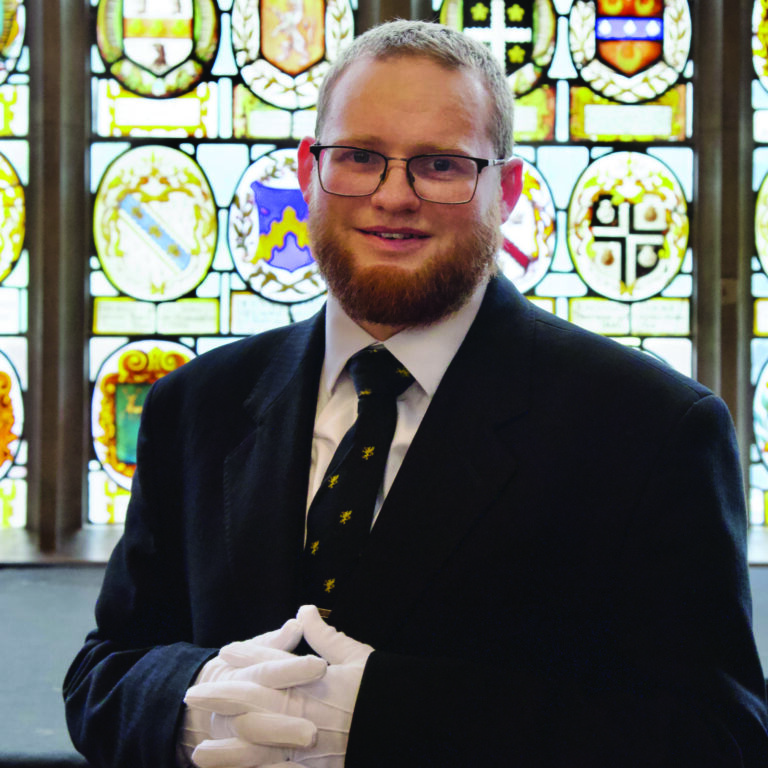
Master Gwynfor Evans. If you have ever dined at Gray’s then you will recognise the warm and welcoming face of Philip Craig, Hall Butler. We caught up in the Bridge Bar…
Popular Myths at Gray’s Inn: The Night of Errors
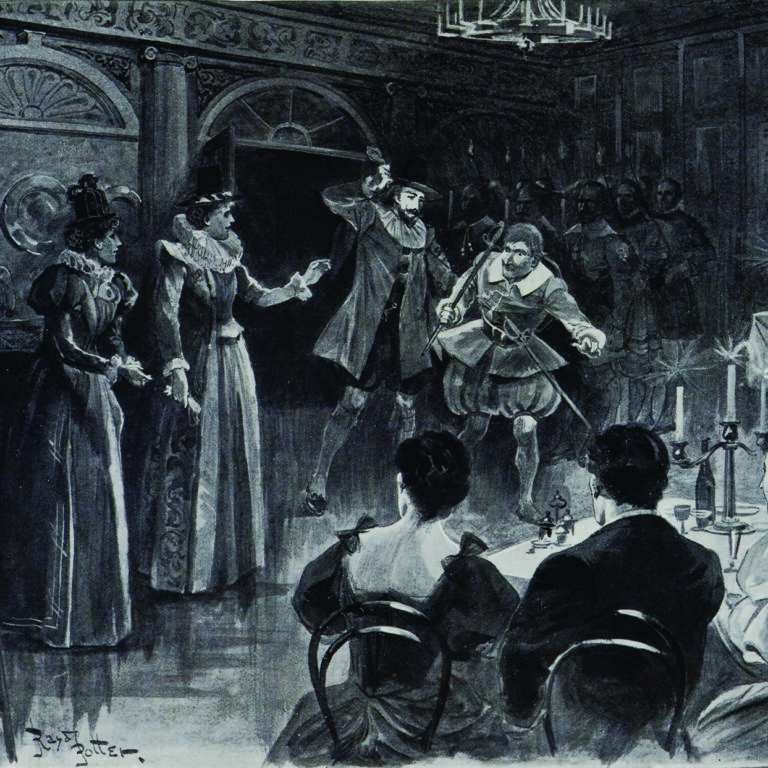
In this article, Master Timothy Shuttleworth examines the first recorded performance of Shakespeare’s The Comedy of Errors at Gray’s Inn in 1594, famously attended by the Lord Chamberlain’s Men. Focusing on the debate over the precise date of the staging, Shuttleworth weighs the evidence from contemporary records, Gesta Grayorum, and later scholarly analysis. The piece situates this landmark performance within the history of Gray’s Inn and its connections to Elizabethan theatre.
The Summer Extravaganza
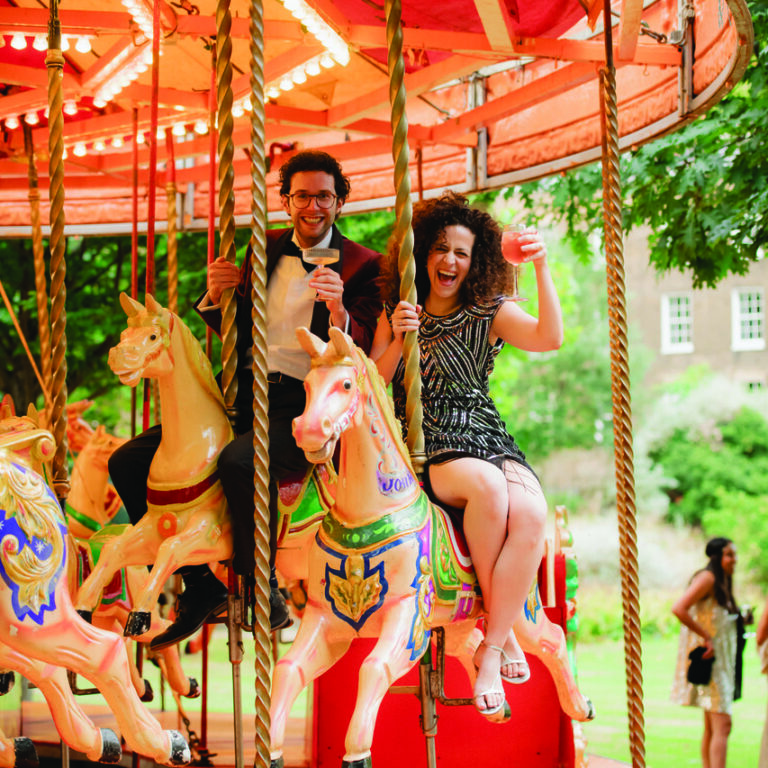
Amy Oliver On Saturday 26 July, Gray’s Inn members and their guests stepped back in time at the Summer Extravaganza, exchanging the 2020s for the 1920s in all their glitz…
Gray’s Inn Scholarships 2025
The Inn is delighted to announce the recipients of this year’s scholarships, including awards for the Bar Course, GDL, Senior and Ann Goddard Scholarships, as well as Internship Scholarships.