Inn the Village: Havens for the spirit – Part II
Number 45, Autumn 2025
Daniel Dovar
Following on from the last issue’s coverage of some of the religious establishments, we now take in two more churches and two cultural institutions, three of which serve very good cups of coffee, the other has the remarkable monument to the ‘honest solicitor’. One absence is that of the Holborn Synagogue, also known as the Western Synagogue, built in 1862 and destroyed on 10th May 1941, a casualty of war. It was rebuilt but relocated to March Arch when it merged in 1991 with the Marble Arch Synagogue to form the Western Marble Arch Synagogue. At least I think that is the case; trying to track down the precise details is not easy, but it explains the absence of a synagogue from these pages.
St Dunstan’s in the West
St Dunstan’s in the West rises between old shopfronts, its octagonal tower peering out above the bustle of Fleet Street. The church’s façade is a blend of white Portland stone and gothic arches. Inside, its octagonal design houses a number of chapels. Originally each housed different shades of Christian belief, less so now, although the Romanian chapel dominates with its towering altar screen. The other chapels are filled with curiosities.
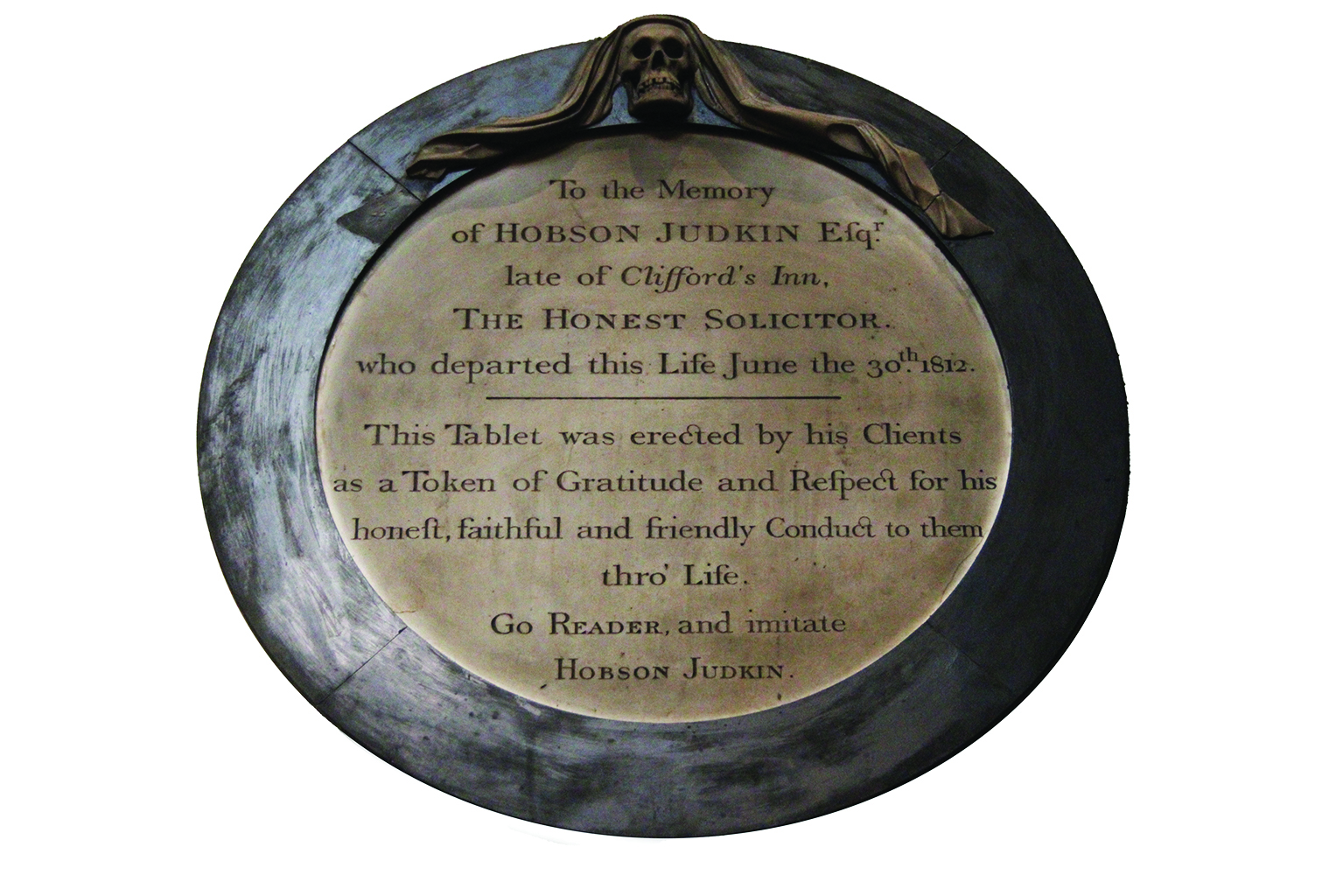
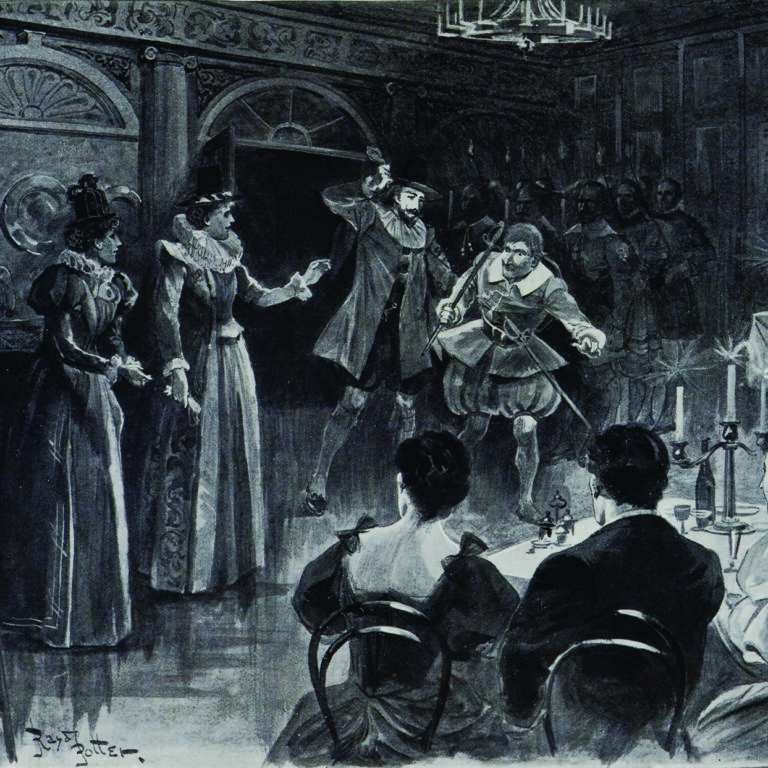
My favourite is the memorial to the ‘honest solicitor’; such a rare beast in his day that his clients clubbed together to get him a plaque. He is to be found opposite a famous swordsman of Gray’s Inn.
The original St Dunstan is thought to have been built around 988 and survived the Great Fire of London but was pulled down due to its dilapidated state in 1829 and rebuilt in 1832. The inside is now octagonal, but the original site of the church pre 1832 was further out into Fleet Street. The present interior may well have been on the site of an octagonal graveyard. Although rebuilt in 1832, it holds many monuments and features that well predate that time, the earliest as you enter on the left is for Henry and Elizabeth Dacres, dated ‘the yere of our Lorde God MDCXXX’.
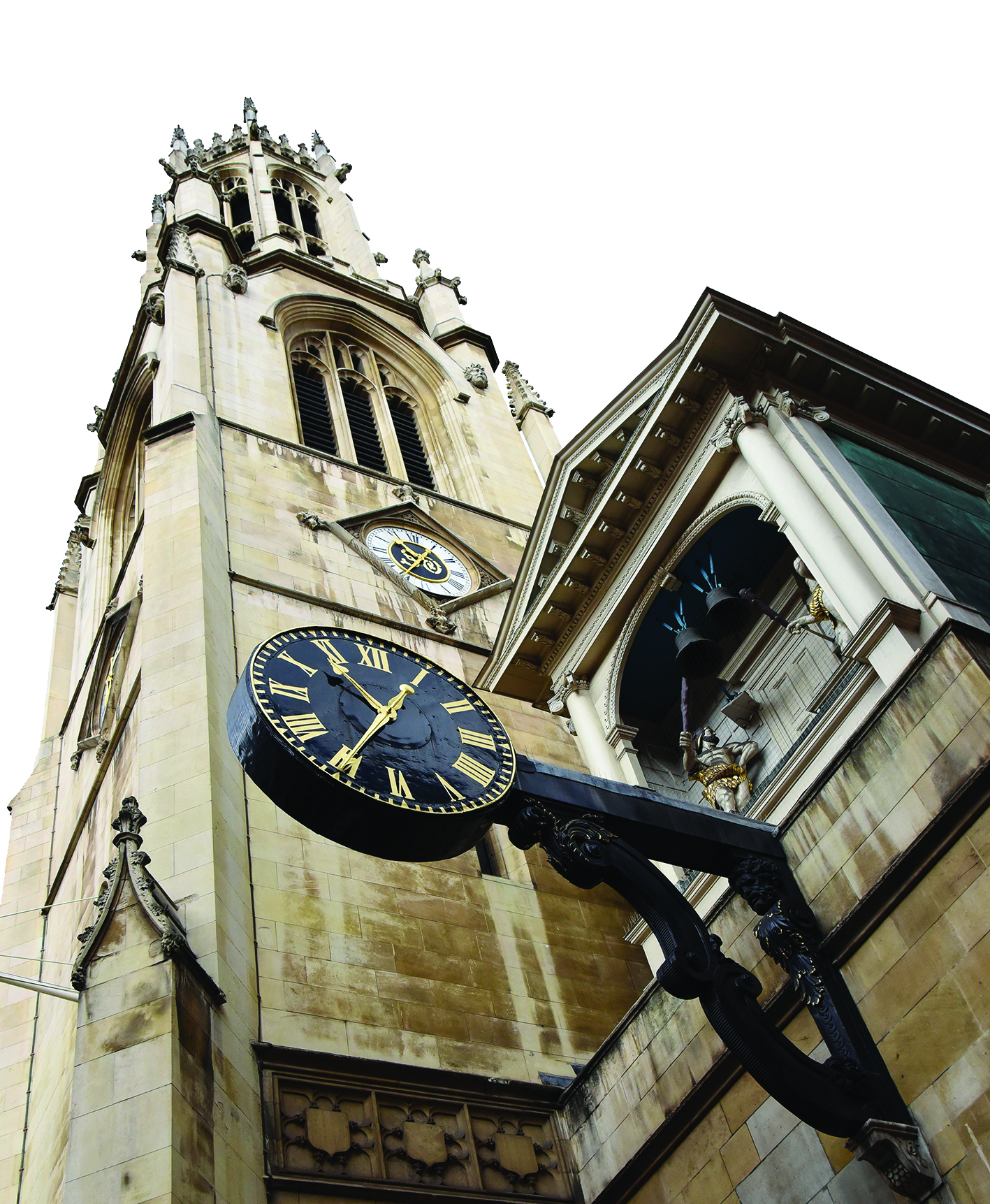
Outside the curiosities continue. The large clock survived from the original church and is joined by two clubwielding giants that attack each hour with vigour (or they will when they are repaired). Further back, is a statue of Queen Elizabeth I, one of the few remaining from her reign. Legend has it that it was lost for a number of years before being found in a local hostelry. Finally, through an arch under QEI, are the proud statues of King Lud (of Ludgate fame) and his two sons.
Amongst all this history, its Romanian congregation attend in their thousands, closing the street on high occasions. Its Anglican congregation is less in number but enjoys some wonderful services on holy days.
St Andrew Holborn
St Andrew Holborn is thought to date back originally to 951 but was rebuilt by Sir Christopher Wren after the Great Fire. Earlier than that, the site was in use and Roman remains were found when the crypt was excavated. It stands as a symbol of resilience and openness. Its classical architecture features a tall steeple and inviting portico, leading to a bright nave with polished wood and high ceilings. The church serves as a place of worship, charity, and community events.
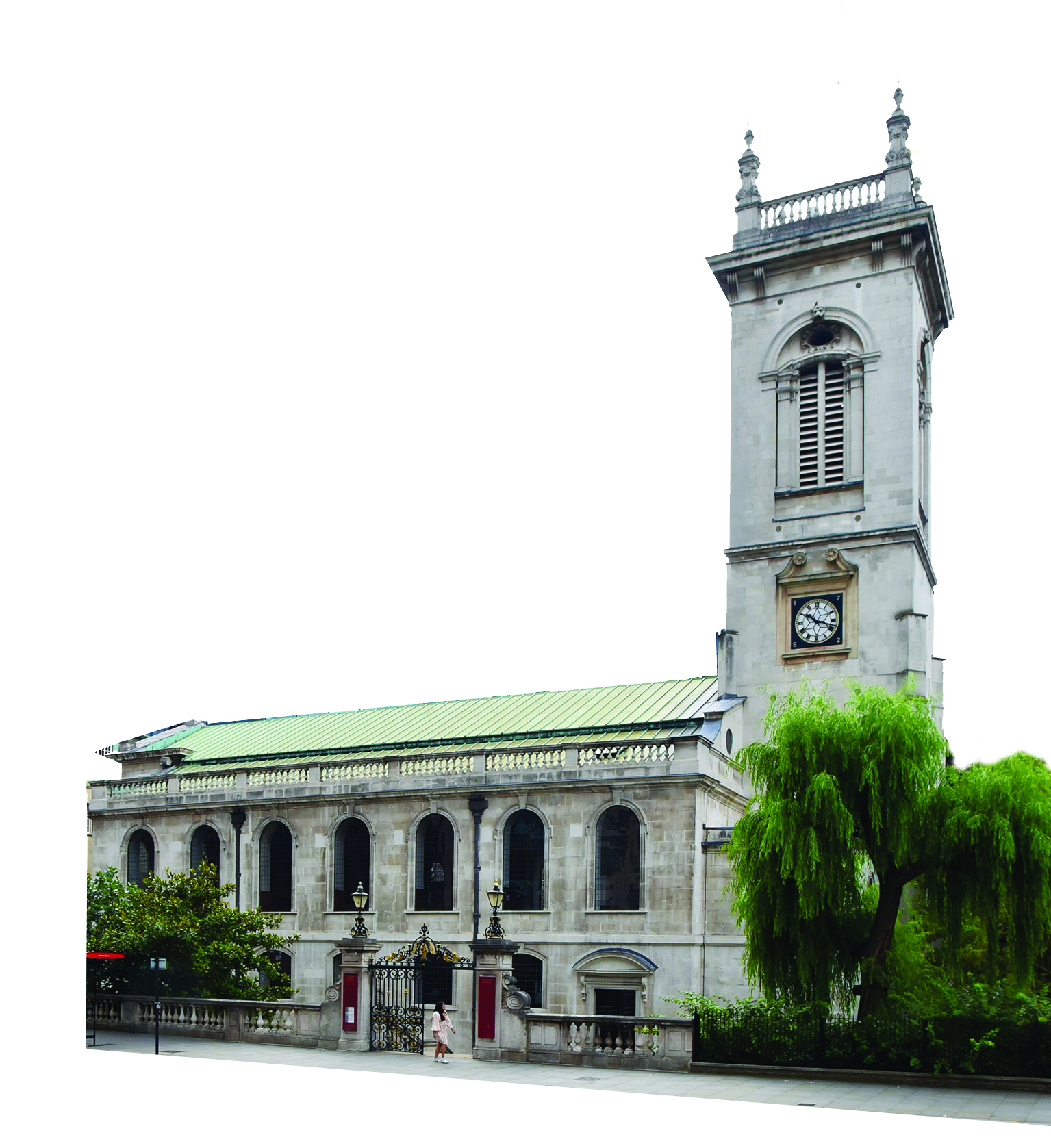
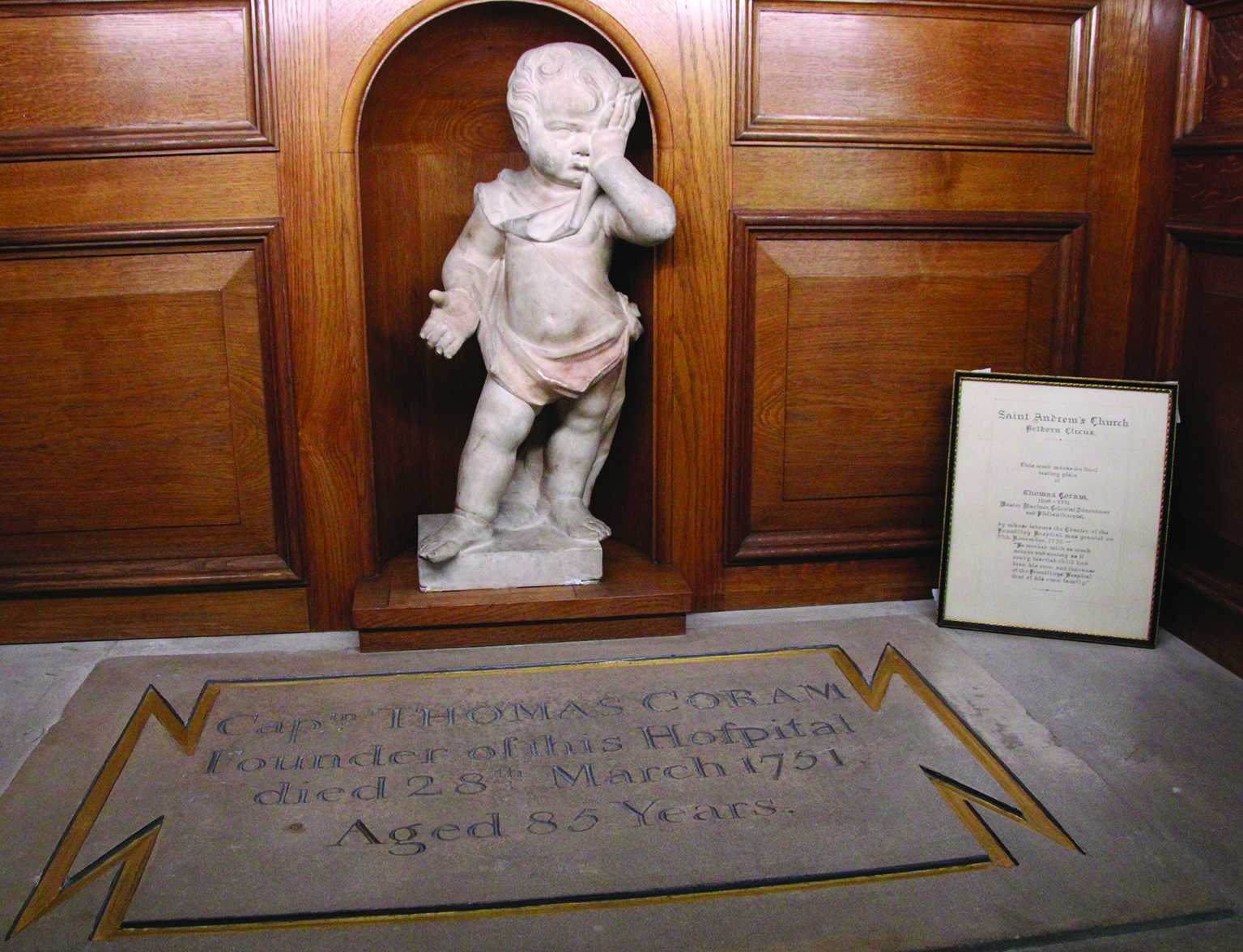
It is also the resting place of Thomas Coram, of Coram Fields and the Foundling Hospital.
‘He worked with as much ardour and anxiety as if every deserted child had been his own and the cause of the Foundlings’ Hospital that of his own family.’
He was originally interred in the Foundling Hospital chapel when it was in Bloomsbury. Due to the connection, the church also has the font, pulpit and the organ casing from the Foundling Hospital chapel. The organ casing was donated to the Foundling Hospital by Handel.
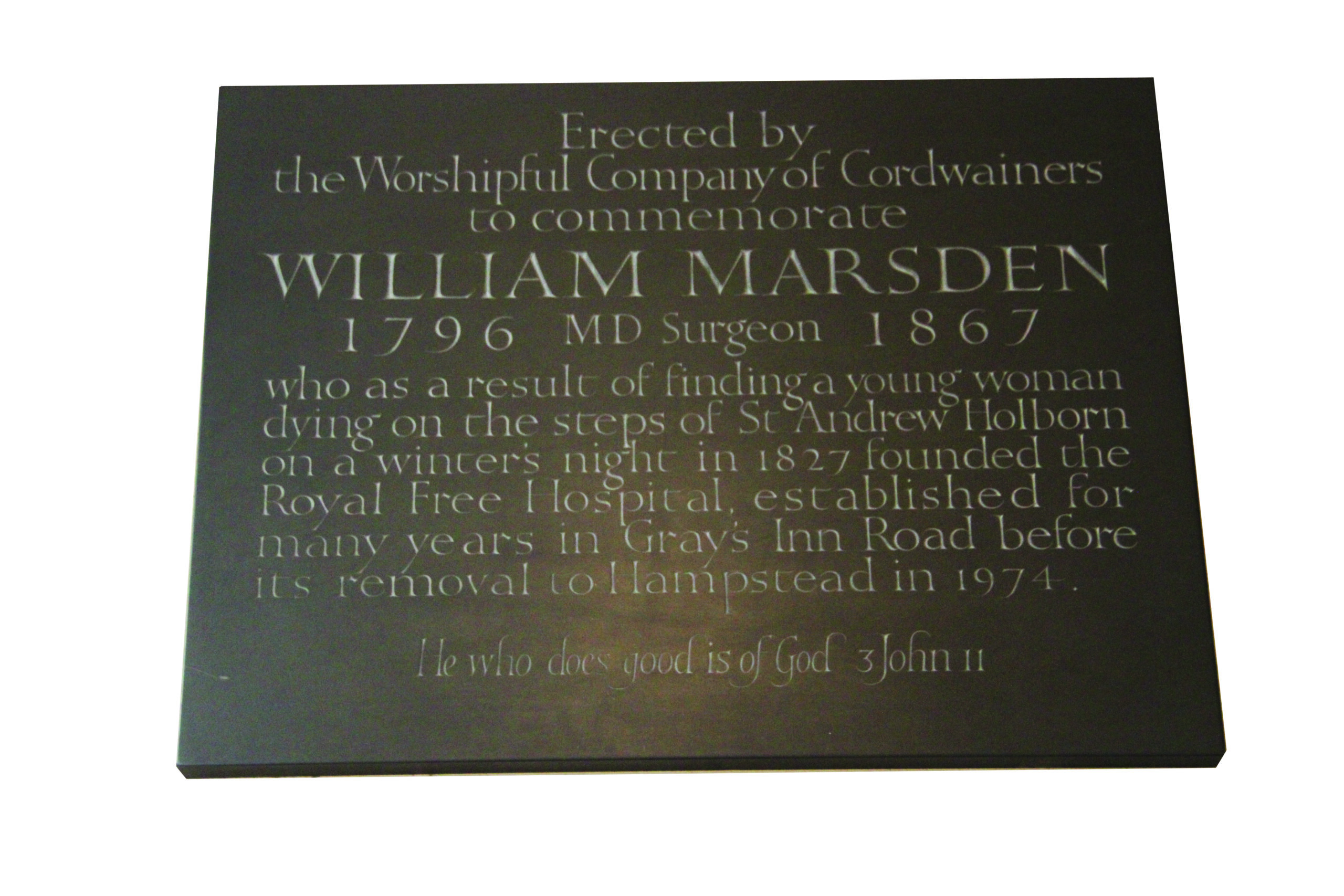
There is also a memorial to William Marsden, who established the Royal Free Hospital; continuing a history of people passing by the church and being inspired by other people dying outside the church to establish institutions to help them. Thomas Coram saw children and was moved to establish the Foundling Hospital and William Marsden saw a young woman dying on the steps of the church and set to establishing the Royal Free Hospital.
There is also The Court Room. As the church had a large parish, two ‘quest’ houses, where parishioners could come and make requests for parish support, were built. The Courthouse is a descendant of those. It was designed by S S Teulon and built with the compensation money received for the loss of the original rectory and churchyard when the Holborn Viaduct was constructed which also put the church below ground level at that point, whereas it had previous occupied a much more prominent position at the top of Holborn Hill.
The Court Room was used for vestry meetings and for meetings of the various trustee bodies associated with the Church. It is still used for meetings, including some ecclesiastical tribunals.
Pushkin House
To the west of the Inn, in the heart of Bloomsbury, Pushkin House can be found. Housed in a graceful Georgian townhouse, this Russian cultural centre is dedicated to the exploration and celebration of Russian arts, literature, and thought. The Pushkin Club was founded by a Russian émigrée, Maria Kullmann, herself married to a Swiss human rights lawyer. The Society originally met at her house in Ladbroke Grove but moved to its present location in 2006.
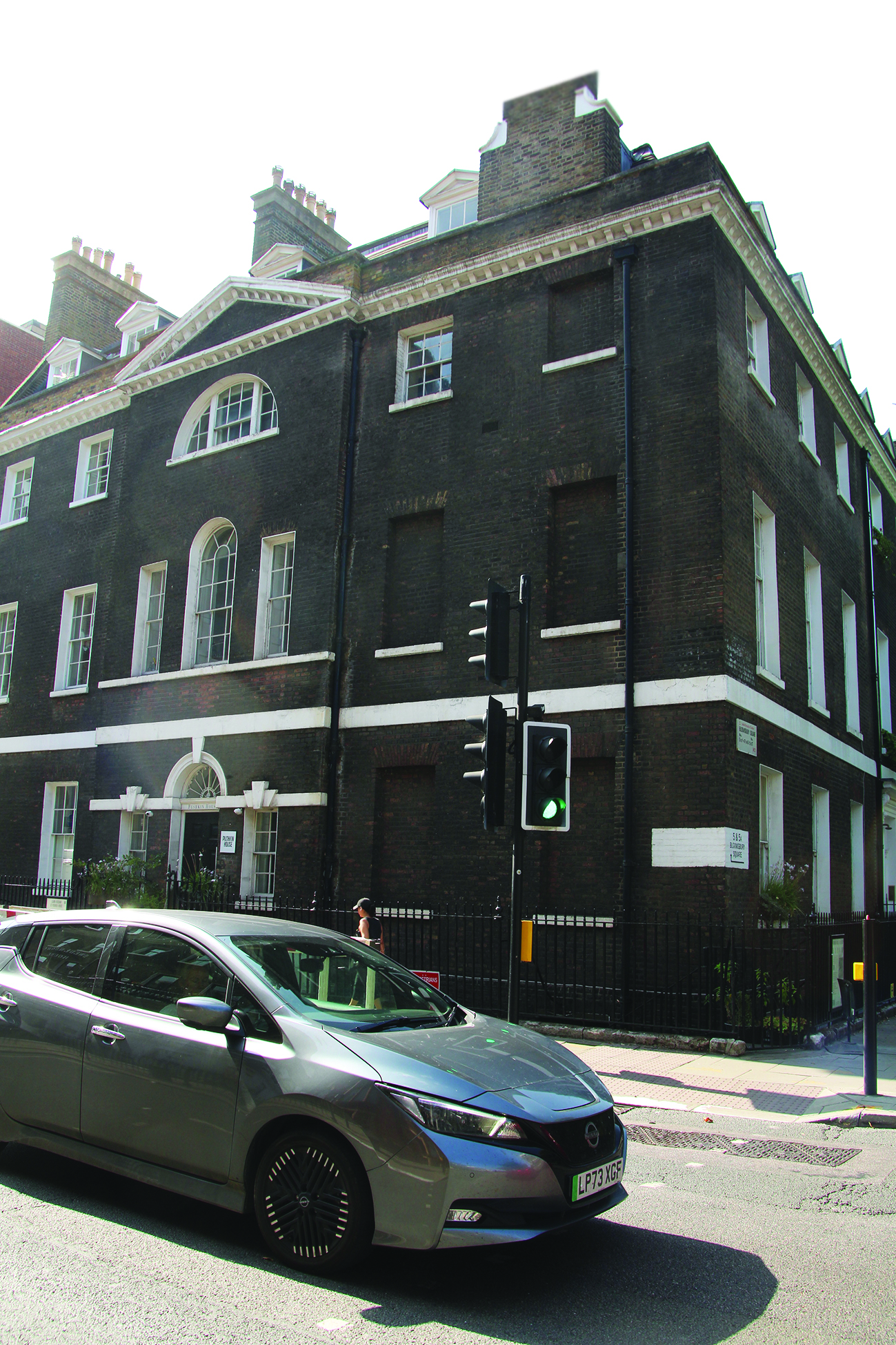
Visitors are greeted by conversation in multiple languages, and the walls are lined with books, portraits, and avant-garde exhibitions. Exhibitions are regularly held here and the number of events is considerable. The book shop is a great resource for books in Russian and English on Russian culture. From poetry readings and film screenings to samovar-fuelled discussions, Pushkin House is alive with creative energy and intellectual curiosity.
Swedenborg Society
Across the road from Pushkin House is the home of the Swedenborg Society. Founded in honour of Emanuel Swedenborg, the Society is both a tribute to and a living exploration of the Swedish polymath’s writings on spirituality, science, and the mysteries of the human soul. Inside, shelves brim with rare volumes and modern interpretations, creating a sanctuary for readers, thinkers, and those in search of deeper meaning. Its
current president is the author Iain Sinclair.
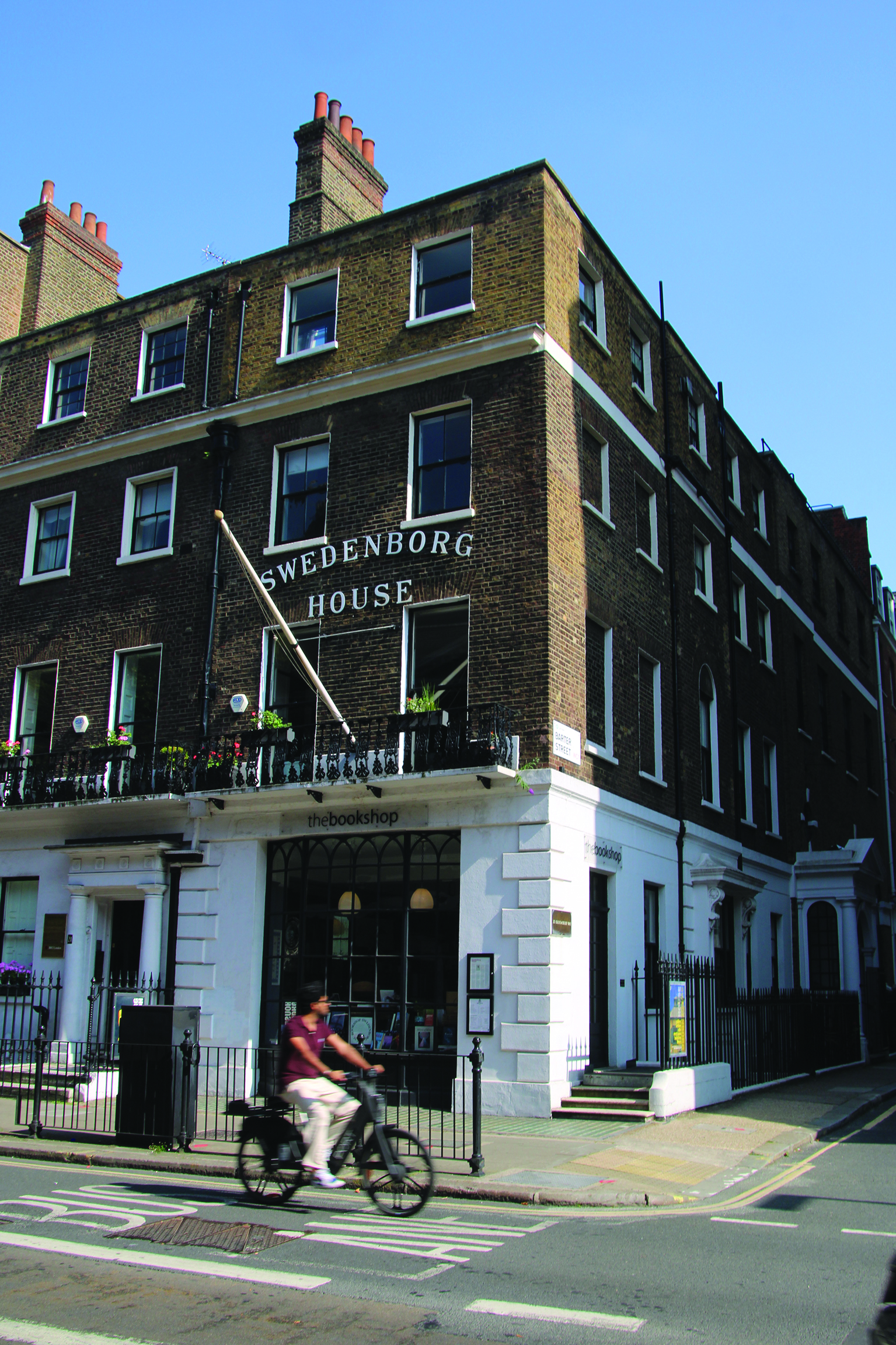
The Society is more than a library or a meeting place; it is a crossroads of conversation. Members and visitors alike gather for lectures that range from Swedenborg’s celestial visions to the intersections of philosophy and everyday life. The atmosphere is welcoming and contemplative, with the gentle hiss of the coffee machine punctuating thoughtful debates. Whether you come for a quiet moment with a book or to engage in spirited dialogue, the Swedenborg Society offers a unique blend of hospitality, historical richness, and intellectual nourishment – always accompanied by the aroma of freshly brewed coffee and the promise of discovery.
Explore more from this edition
Inn People: Philip Craig, Hall Butler
Master Gwynfor Evans. If you have ever dined at Gray’s then you will recognise the warm and welcoming face of Philip Craig, Hall Butler. We caught up in the Bridge Bar…
History Society Lecture
Master Clive Osborne reports on Professor Patrick Diamond’s History Society lecture, “From Boris Johnson to Donald Trump: Do western democracies get the leaders they deserve?”, exploring the qualities of effective political leadership and the structural and societal reasons why many democracies produce ineffectual leaders.
Pictures, Words and Music
On Thursday 10 July 2025, Revd Stephen Baxter convened another Pictures, Words and Music event in the Chapel, featuring the Chapel Choir under the direction of Master Christopher Bowers-Broadbent, with organist Joshua Simoes and the Venerable Peter Delaney MBE.
Popular Myths at Gray’s Inn: The Night of Errors
In this article, Master Timothy Shuttleworth examines the first recorded performance of Shakespeare’s The Comedy of Errors at Gray’s Inn in 1594, famously attended by the Lord Chamberlain’s Men. Focusing on the debate over the precise date of the staging, Shuttleworth weighs the evidence from contemporary records, Gesta Grayorum, and later scholarly analysis. The piece situates this landmark performance within the history of Gray’s Inn and its connections to Elizabethan theatre.